
Your Switch games, running on your iPhone.
Not an emulator. No terminal. A macOS app does the whole build in a few clicks.








- One app for iPhone and iPad: build a game with the iPhone / iPad target and it lands in one shell app that holds all your games. An art-led library with the key art, Cover Flow when the phone is on its side, settings for each game, and controller or keyboard control. It follows the system language (English and Simplified Chinese).
- Saves that follow you — Mac ⇄ iPhone saves sync through one iCloud Drive folder, a deleted app reinstalls in seconds, and a free Apple ID's 7-day signature renews in place.
- Guided first run — a setup wizard walks a new player through Xcode, keys and games; the build tools and a Python ship inside the app, so nobody installs Homebrew.
- Console mode — plug in a controller, press Select: the library goes full screen, controller-first, like a Switch home menu.
Every release is in the changelog. 中文用户请看这里:简体中文 README。
NX2Apple runs Nintendo Switch games on your Mac and iPhone from your own game dumps. It is not an emulator: the game's own code runs natively on Apple silicon, and Metal draws it. A Mac app, the launcher, does the build in a few clicks (unpack, rewrite, translate the shaders, pack) and then keeps your games in a library you start with Play, the way a Switch does.

It is a community fork of nxnative, which does the actual work (the code rewriter, the Horizon host, NVN on Metal and every game's profile); this fork adds the launcher and a short list of patches, and follows nxnative every day.
- An Apple silicon Mac. The launcher opens on macOS 13 or later. Building needs Xcode with
the iOS SDK, and NVN games need Xcode 27.2 (macOS 26.6
or later) unless built with
--allow-other-metal. Take 27.2 from Apple's download page, not the App Store's newer Xcode. With a newer Xcode installed too, rename 27.2 toXcode-27.2.appand select it:sudo xcode-select -s /Applications/Xcode-27.2.app. - Your own game dumps (NSP or XCI) and your own
prod.keysfrom your own console. Nothing is bundled, downloaded or looked up for you. The sameprod.keysopens every one of your games; a current dump covers all retail titles. - For an iPhone or iPad: iOS or iPadOS 26 or later and a recent device. Older devices are untested.
The app carries its own build tools and Python, so no Homebrew and no Python install; the .NET SDK 10 is the one tool it still installs for you. The launcher's dependency page checks each requirement and installs what it can with one click.
- Download the app:
NS-Port-Builder-macOS-arm64.zipfrom the latest release. Unzip it. - Open it once with right-click, then Open. The app is not signed with a paid Apple developer certificate, so macOS asks before the first start; after that it opens normally.
- Follow the setup. The launcher fetches the project it builds with (a Download repository
button on the setup page, a shallow clone into
~/NX2Apple; if GitHub is slow, the page shows the manual ZIP route), checks the tools above and updates itself later. You never need git. - Build a game. Pick the game's folder (or its base game, update, DLC and
prod.keysone by one), choose This Mac or iPhone / iPad, and press build. The page shows the real stages and the time left, and a stopped build continues where it left off. The iPhone / iPad target is one app on the device for all your games. The launcher signs it with Xcode, installs it and copies the game in. It needs a device paired with the Mac.
Building by hand from a terminal is in BUILDING.md.
The iPhone / iPad target builds one shell app that holds all your games, the way the Mac launcher does. Its library shows each game with its key art. In portrait it is one column with the chosen game at the top. On its side it is a Cover Flow. An iPad shows a grid.


- Add games from the Mac. Build a game with the iPhone / iPad target and the launcher copies it into the app. Re-signing and reinstalling the app keeps your game data and saves.
- Play. Pick a game and tap Play. A game that is missing its data, or needs a newer app, says so on its card and offers the fix.
- Settings for each game. The settings button (or X on a controller) opens that game's launch options. Reset puts every choice back to its default.
- Controller or keyboard. The whole app works from a controller: the D-pad and stick move, A picks, B goes back, X opens the settings and Y lists the controllers. A hardware keyboard works the same way.
- Game data folder. Each game can read its data from a folder you pick in the Files app, for example on an external drive, or from the app's own folder.
- Cloud saves. Pick an iCloud Drive folder for a game's saves to keep them in step with the Mac.
- Language. The app follows the system language, English or Simplified Chinese.
The app needs iOS or iPadOS 26 or later. The covers are the eShop banners the Mac launcher caches for your own games.
On the Mac, a finished game appears in the library with its key art. Play starts it. Launch options (per game, kept across rebuilds) set the frame rate, console mode (docked or handheld), render scale and upscaling, game language, controls and more; what each does is in docs/settings.md. A controller drives the launcher as well as the games.
On the iPhone, the app shows the same settings before the game starts; tap Play. Touch
controls come in a 2D and a 3D layout (tap the button at the top centre), and a connected controller
(Xbox, PlayStation, Switch Pro, MFi) replaces them. docs/playing.md covers touch,
rumble and motion. Short stutters the first time a scene appears are normal: the app compiles
graphics for it once and remembers them. The game's data (romfs.img) can live on an external drive
that the Files app picks.
Game language. English is the default. On the Mac, use the Game language row of Launch
options. For anything the sheet lacks, write an env.txt of KEY=VALUE lines (for example
DM_LANG=zh-Hans) in one of two places: ~/Library/Application Support/nxnative/<title ID>/env.txt
wins and survives rebuilds; <App>.app/Contents/Resources/dm/env.txt is the app's own. A Mac app
built before the language row existed needs one rebuild to get it. On the iPhone, the same lines go
in Documents/env.txt (DM_FPS_TARGET=30 caps the frame rate to save battery, DM_OPMODE=0 picks
handheld mode).
Saves and logs. A Mac game in a library folder keeps its saves and its log beside the app
(log/<title ID>.log); otherwise they are in ~/Library/Application Support/nxnative/<title ID>/ and
~/Library/Logs/nxnative/<title ID>.log. On the iPhone they are in the Files app under the app's
name: save/ and log.txt (the previous run is log.prev.txt).
Reporting a bug. Use the issue forms
(game problem, build problem, launcher problem). Each asks for the game and its title ID, your
versions and device, Settings > Copy diagnostics and the game's log; CONTRIBUTING.md
says why. A report with the full log.txt is looked at first. Never attach keys, game files or
anything extracted from a game.
94 games have a profile. Three are verified end to end on this fork (built, installed and played on a phone), 45 more are reported playable on an iPhone upstream, and the rest have a profile that has not been tried on a phone yet. A few of them:
| Game | Where it runs | Status | |
|---|---|---|---|
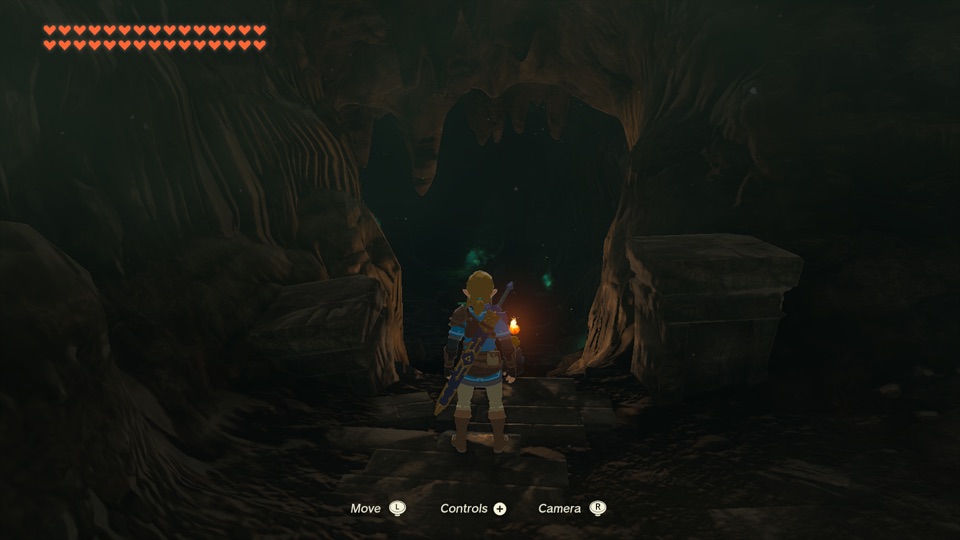 |
The Legend of Zelda: Tears of the Kingdom | Mac and iPhone | Verified here: 304,243 files, byte-checked; ~17 GB |
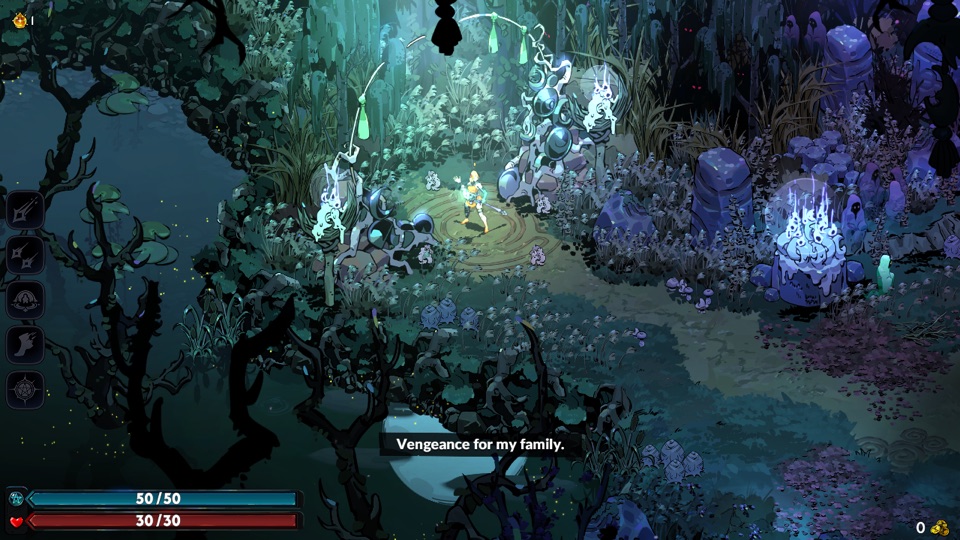 |
Hades II | Mac and iPhone | Verified here |
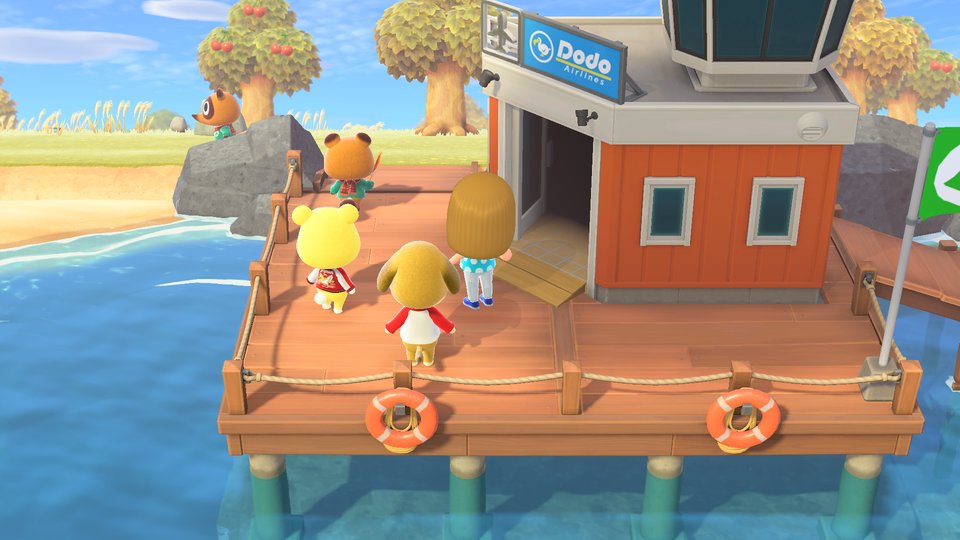 |
Animal Crossing: New Horizons | iPhone | Verified here: runs smoothly |
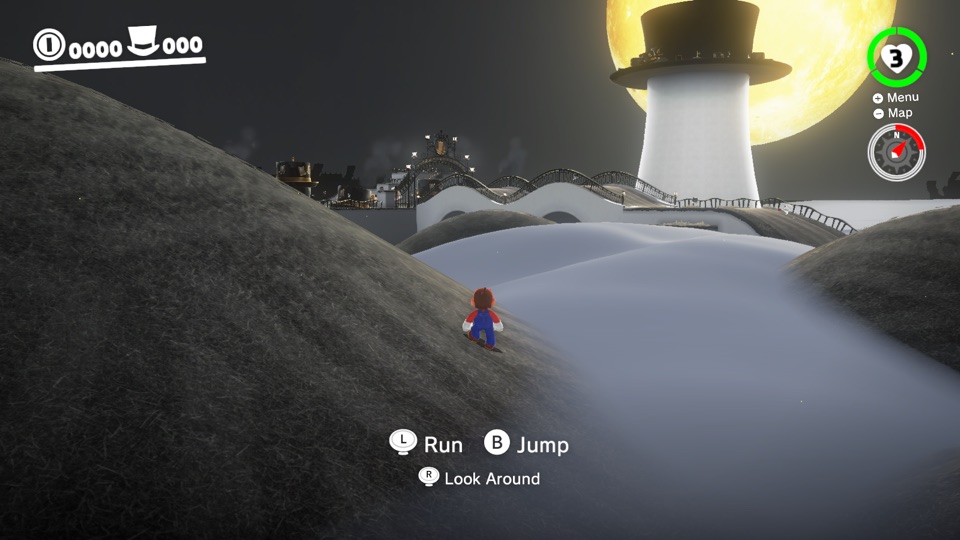 |
Super Mario Odyssey | iPhone | Reported playable upstream |
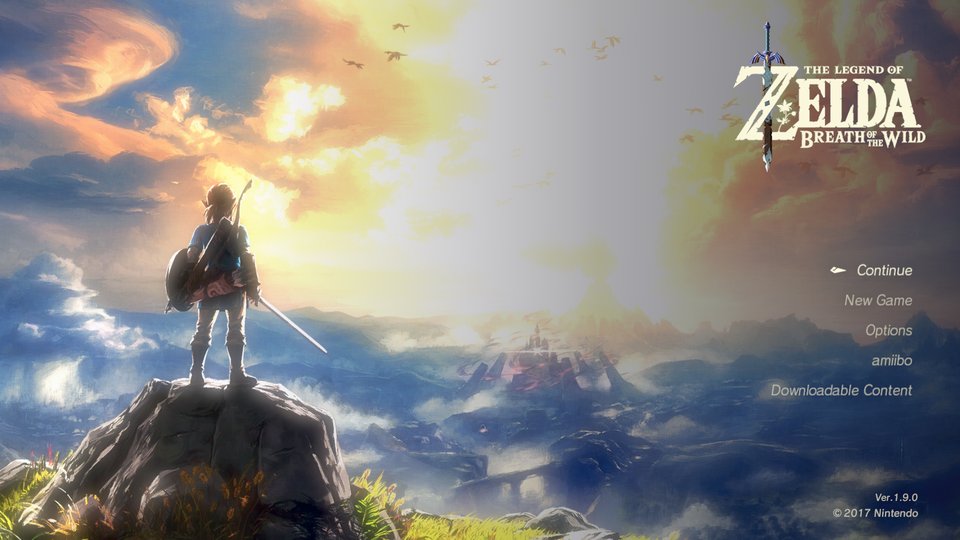 |
The Legend of Zelda: Breath of the Wild | iPhone | Reported playable upstream; 60 fps with 1.9.0 |
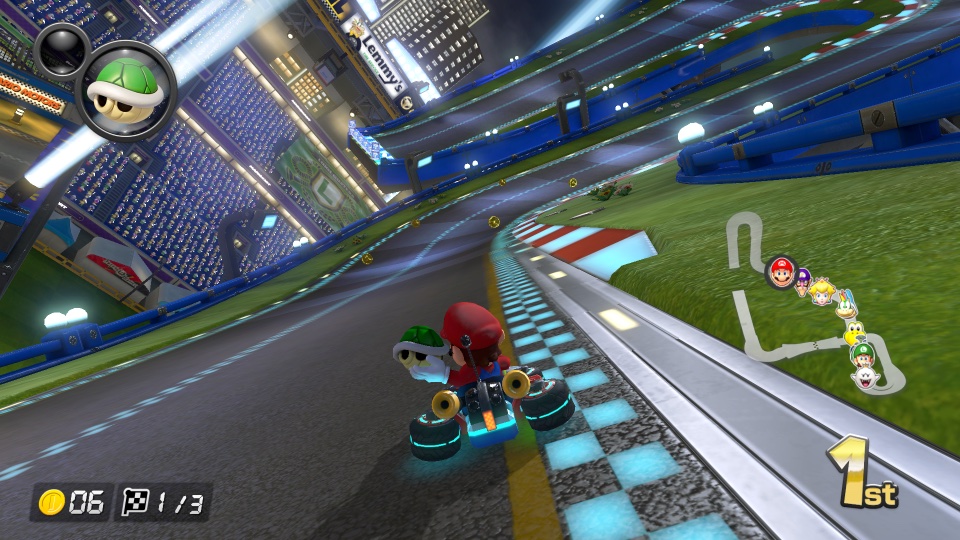 |
Mario Kart 8 Deluxe | iPhone | Reported playable upstream |
GAMES.md (中文: GAMES.zh-CN.md) has the screenshot gallery with each game's install size, and the full table with the update version each game needs: the update NSP's display version must match the profile's, or the build says so.
- Only the games with a profile. A title outside the list needs bring-up work of its own; the place to start is docs/agents, upstream's guide for another Switch title.
- Big games on an iPhone hit a memory limit. Without the Increased Memory Limit entitlement iOS gives the app about 3.4 GB, which is not enough for Tears of the Kingdom. The app requests it, and AltStore Classic 2.2+, Impactor and Xcode with a Personal Team keep it; SideStore with a free Apple ID needs a one-time App ID fix, and Sideloadly drops it (the steps). The full measurements are in GAMES.md.
- Unsigned launcher. The launcher is not signed for you, so you sideload it. The iPhone app is signed by Xcode with your own team when the launcher installs it.
- Your own files. No game data, firmware or keys are included or downloaded.
- Older shard archives are not read any more. The first iPhone builds packed Tears of the Kingdom
into a RomFS shard archive (
romfs.idx); the build writes a singleromfs.imgnow. An iPhone that still holds an old archive needs the game data sent again once, as aromfs.imgthrough the launcher.
- Build from source: BUILDING.md. Report or fix something: CONTRIBUTING.md.
- Where help is wanted: the milestones are the plan, and CONTRIBUTING.md says how to take an issue from one.
- What this fork changes in upstream: the engine (
dm/,scripts/,docs/,ref/) is not committed here. It is nxnative at a pinned commit (.upstream-ref) plus a queue of patches, each saying why the fork carries it, andpython3 tools/engine.py syncbuilds it intoengine/. patches/README.md explains it, andpython3 tools/engine.py statuslists what is carried. A daily job moves the pin and opens a pull request, or an issue naming the patch that no longer fits. The links to the engine's documents in this README point at nxnative at the pinned commit. - Another Switch game: docs/agents (extraction, binary survey, bring-up).
- Release history: CHANGELOG.md.
Community contributors — this project's code is not one maintainer's output:
- v0lumehi — the Mac front end's launcher (PR #27, 40 files): a game library with key art, per-game launch options, a real progress stream, and a Stop that ends the whole build's process group. The Mac app went from "a build form" to the first version of a launcher that opens like a Switch.
- m1guelpf (Miguel Piedrafita) — two HLE fixes (PRs #24 and #26): the missing
EnableAlbumImageTakenNotificationandCreateWithAdjustableSystemClockentries plus their snapshot type byte — each would have read a null in games that call them, and each came with a test.
Want on this list? Contributing says how to start; reports with a full log and fixes with a test move fastest.
Community projects — maintained by their authors, outside this repository:
- widmonstertony/nxnative (
ios16-pokemon-za-portbranch) — iOS/iPadOS 16.1–17 and tvOS compatibility, with a legacy Metal renderer path, tested on an A10X iPad and an M2 iPad. For devices this fork's releases do not support.
All of the engine work is other people's. This repository adds the launcher and the patch queue on top:
- nxnative (MIT) — the native-execution toolchain this repository is built from: the NSO rewriter, the Horizon host layer, NVN-on-Metal, the per-game profiles and the iOS shell.
- d2r-mobile (MIT) — the original native-execution approach that nxnative grew out of.
- Ryujinx (MIT) — the shader translator that turns Maxwell shaders into SPIR-V.
- Atmosphère — the reference for Horizon's synchronization semantics.
- LibHac — reads NSPs and layers updates in
nx_extract. - SPIRV-Cross — SPIR-V to Metal Shading Language.
- yuzu, deko3d, libvpx, stb_vorbis, libdeflate — see upstream's acknowledgement list for what each contributes.
dm/third_party ships other projects with their licenses (list).
What this project is. A build tool for games you already own. It reads dumps you made of your own cartridges and purchases, on your own machine, and produces a package for your own device. Nothing in this repository, in the app, or in any release contains or distributes Nintendo's code, art, text, data, shaders, firmware, keys or any other copyrighted material.
What it cannot do. The pipeline has no source of games or keys: it requires the user's own
prod.keys and their own NSP/XCI dumps, and it talks to no server. It does not bypass, strip or
redistribute any protection — LibHac opens the user's own dumps with the user's own keys, the same
operation a console performs on a cartridge.
Trademarks. Not affiliated with, sponsored by or endorsed by Nintendo. "Nintendo Switch" and game titles are trademarks of Nintendo Co., Ltd.; all other trademarks belong to their respective owners.
Your responsibility. Laws on making a personal backup copy differ by country; some places do not allow it at all. You are responsible for knowing and following the law where you live, and for never distributing game files, keys or the packages built from them — the project's outputs are for personal use on your own hardware only. If you enjoy a game, buy it.
Takedowns. If you believe anything in this repository infringes your rights, open an issue or contact the maintainer directly; valid claims will be actioned promptly, up to removing content or the repository.
No warranty. The software is provided "as is" under the licenses in LICENSE (this fork adds to upstream's; see the credits) — without warranty of any kind, express or implied. Use it at your own risk.